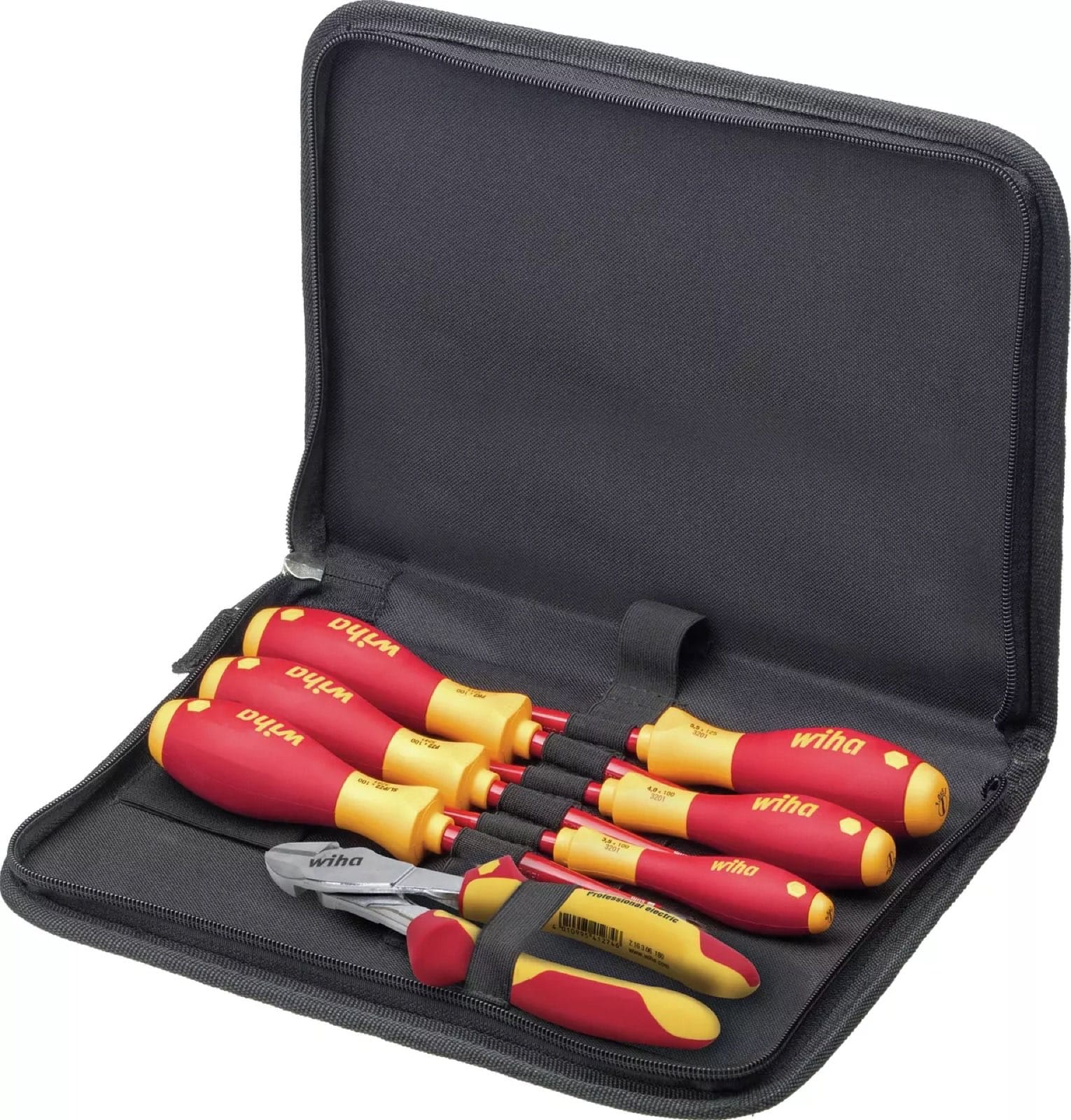
Wiha tool set for electricians
Three screwdrivers and one pair of pliers make up this set: the handles and the pliers are easy to spot before comparing equivalent references.
Published 16 July 2026
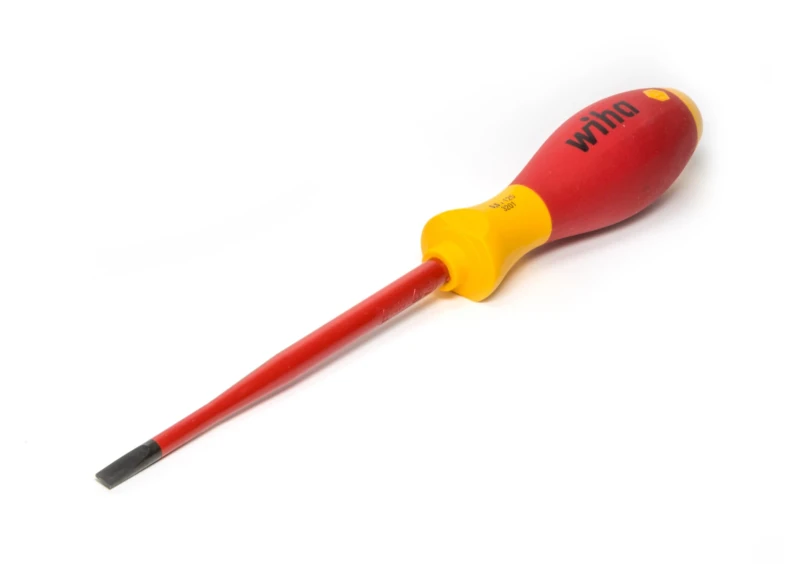 Photo : Wiha
 In brief
2
brands compared
1 000 V
test class of the VDE tools concerned
0
insulated tool that permits live working
The Wiha versus Wera debate is not settled by one winning brand for everyone. On an electrical job site, the value of a screwdriver depends less on its color than on three things: it goes into the toolbox, feels good in the hand and stays in good condition.
Both manufacturers offer ranges aimed at professionals, including insulated tools for operations prepared with the power off.
Safety remains the starting point. A VDE marking or a reference compliant with the corresponding standard does not turn live work into a routine action. Switching off, locking out when necessary and checking for absence of voltage remain the basic steps.
Wiha has a strong presence in insulated screwdrivers, pliers and screwdriver systems with interchangeable blades. The handle shape and color coding can speed up grabbing a tool from a packed tool bag. This is useful when you alternate between panel screws, switchgear and precision connections.
The range also appeals to teams that want to limit the volume carried. A blade holder and a few insulated blades can replace a full set for certain jobs. The trade-off is simple: you have to store the blades, check their condition and avoid looking for a reference at the wrong moment.
Wiha tool set for electricians
Three screwdrivers and one pair of pliers make up this set: the handles and the pliers are easy to spot before comparing equivalent references.
Wera is known for its Kraftform handles, its bit sets and its storage solutions. For the electrician, the question is less about general reputation than about consistency between the insulated screwdrivers, the bits and the bit holder already in use.
Handle preference is personal. I compare the exact reference, the profile, the blade length and the access around a real screw on de-energized equipment; those criteria matter more than a general claim about one handle shape.
| Criterion | Wiha | Wera |
|---|---|---|
| Criterion Insulated screwdrivers | Wiha VDE ranges and interchangeable blades | Wera VDE ranges and Kraftform handles |
| Criterion Organization | Wiha Compact solutions depending on the series | Wera Bit sets and storage very prominent |
| Criterion To compare | Wiha Handle shape and length | Wera Bit profile and access to the case |
| Criterion Common ground | Wiha Visual inspection before use | Wera Work prepared with the power off |
A comparison of method, not an absolute ranking.
The VDE mark does not stand for a feeling of robustness. It identifies an insulated tool designed and tested according to a precise framework.
In both catalogues, you therefore have to compare references of the same kind: a fixed-blade screwdriver with a fixed-blade screwdriver, an insulated blade holder with a blade holder, combination pliers with combination pliers. Putting a compact set on one side and a complete series on the other quickly skews the choice.
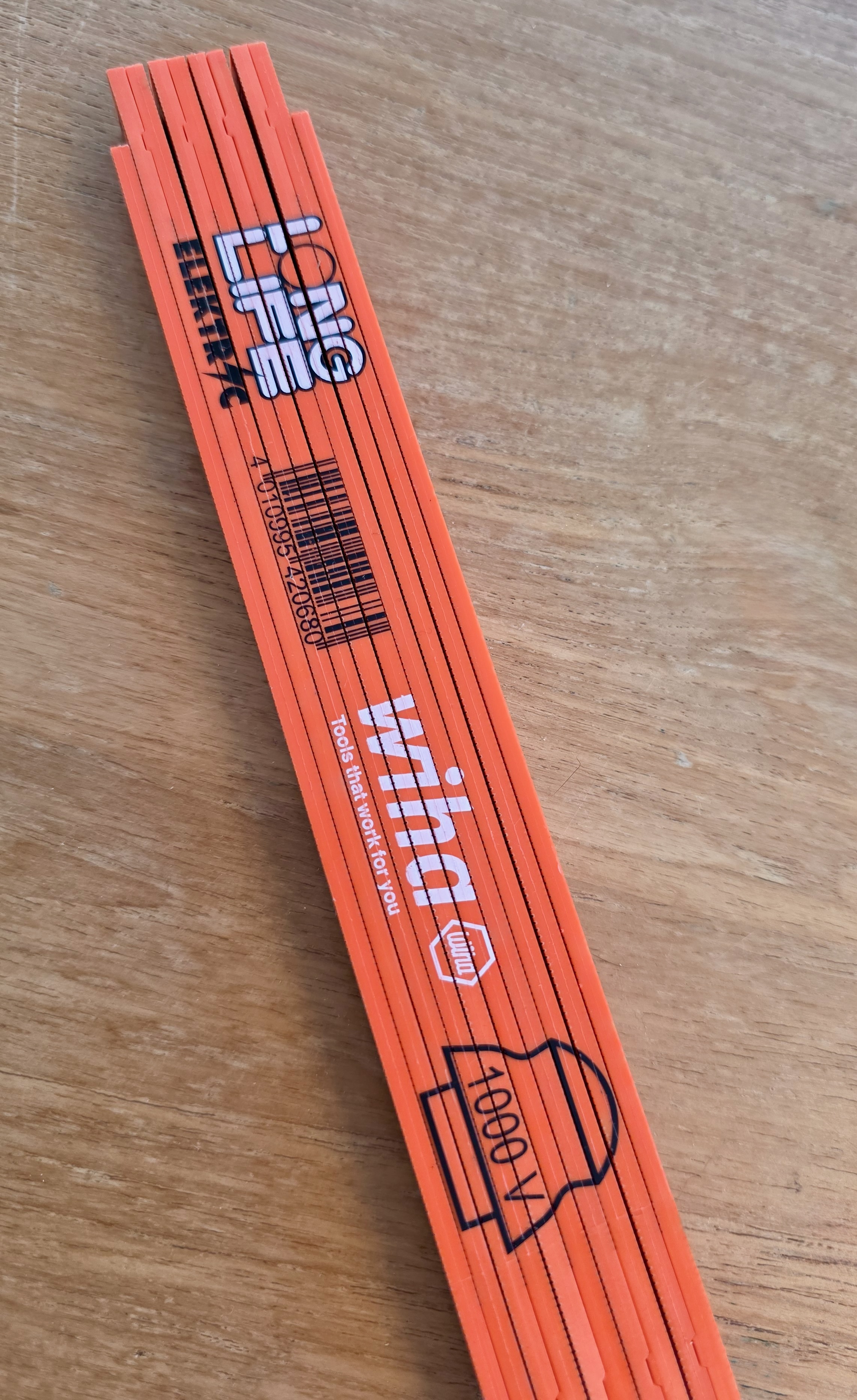
VDE 1000 V marking
the mark to check before use is read directly on the tool
The first check is on the legible marking of the reference, the condition of the insulation and the use stated by the manufacturer. A very fine blade can be useful in a recessed terminal block, but it does not replace a wider blade when the screw requires torque.
Conversely, a bulky handle can be comfortable on an uncluttered row and become awkward in front of a loaded rail.
Wiha offers in particular Slim series and insulated interchangeable blade systems. Their benefit is access: a reduced outer diameter around the blade leaves more room near certain terminals. That does not remove the need to choose the tip width.
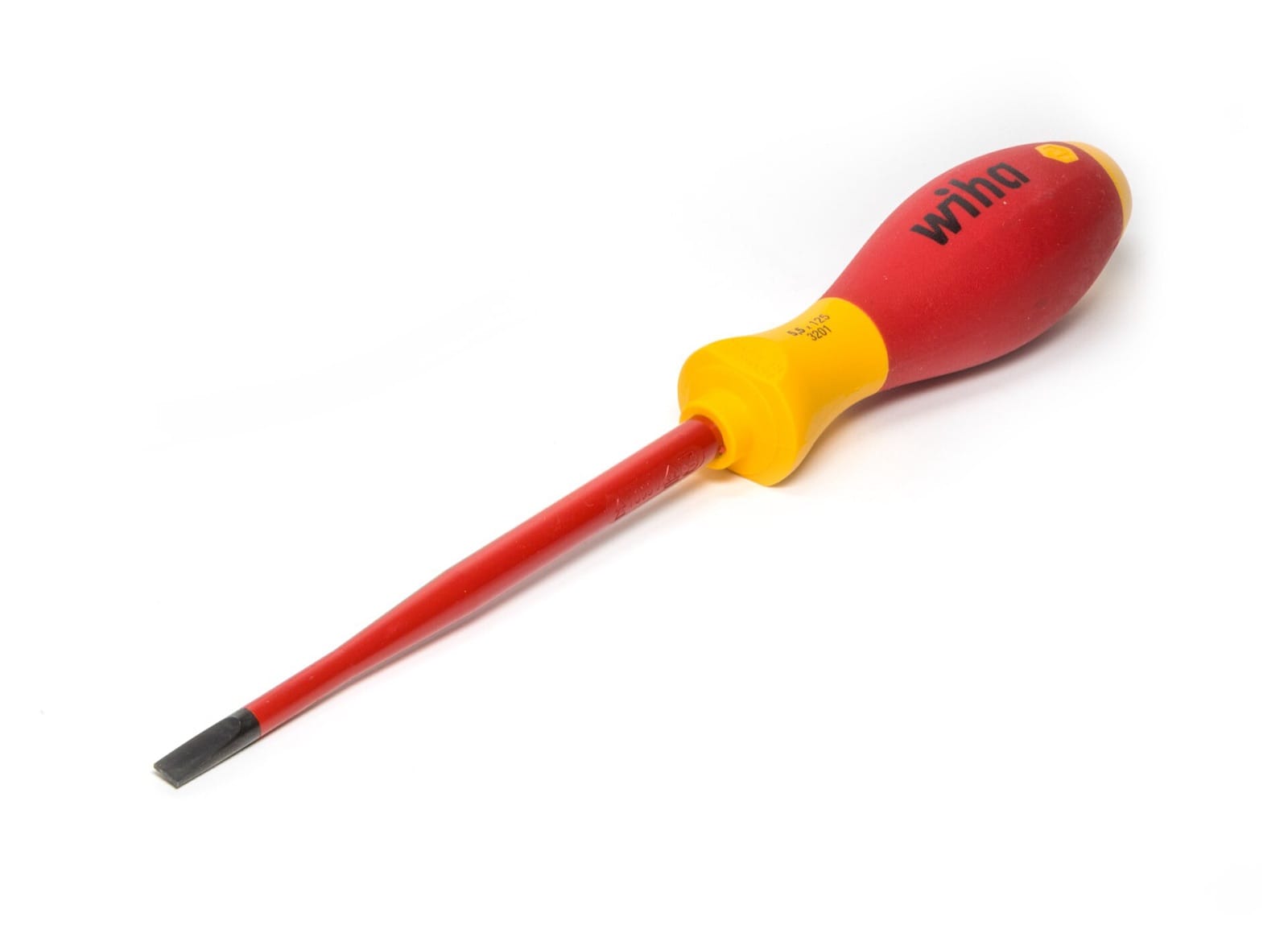
Wiha slimFix screwdriver
The thinness of the blade and the insulated handle can be checked at first glance: this clearance is what opens up access to deep terminals.
A blade that is too narrow for a large screw damages the recess and gives a poor impression of torque.
At Wera, insulated screwdrivers and compact systems also exist in separate families. The buying decision is often centered on the Kraftform handle and the sets.
Before ordering a kit, check that the tips match the screws actually encountered: slotted, Pozidriv, Phillips, Torx or other profiles depending on the devices and equipment. A very extensive set does not make up for a gap on the most used size.
The consumer unit often concentrates the situations where this detail shows: closely spaced terminal blocks, deeply recessed devices and access limited by the cables.
On a wall-mounted device, a medium-length blade and a handle that does not hide the screw are sometimes faster than a very compact system.
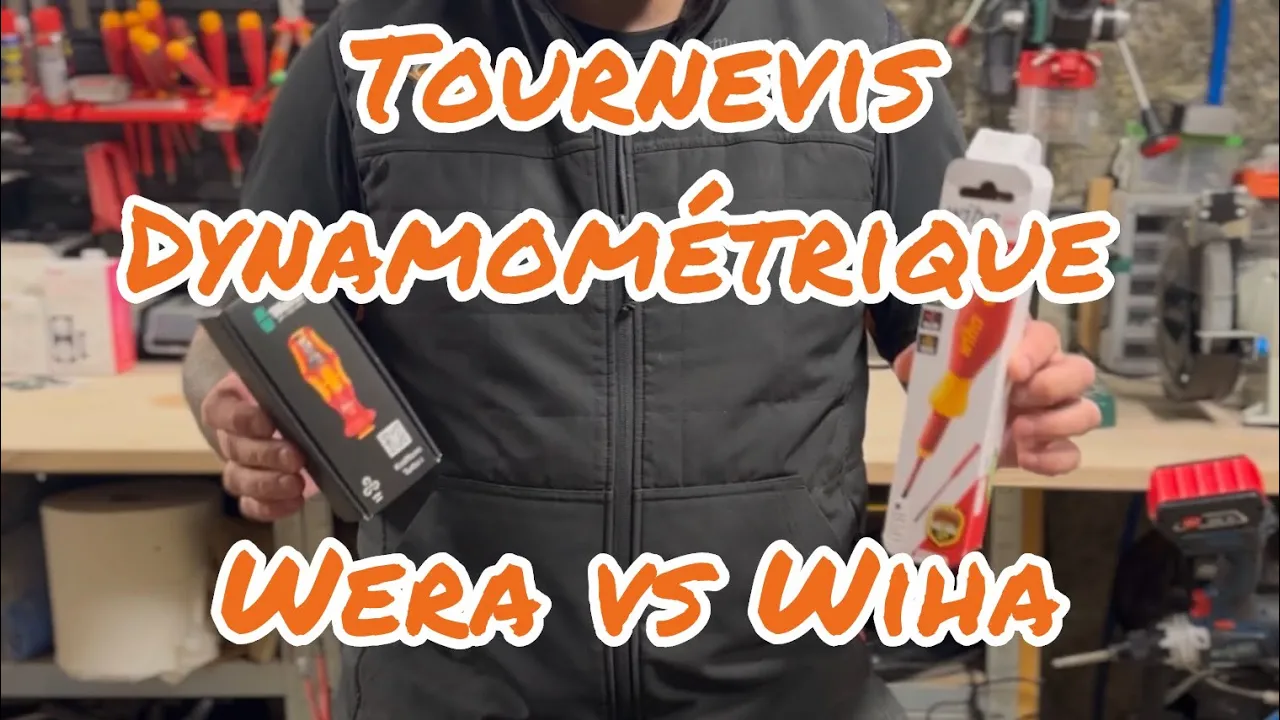
A fixed-blade series has a mundane but concrete advantage: you take the right screwdriver and drive the screw in. There is no blade to extract, no locking mechanism to check and no separate storage. For the three or four drive types used every day, this format remains hard to beat.
It suits a tool bag that moves from one dwelling to another and a workstation where several people may use the same tools.
The interchangeable system answers another need: reducing the number of handles and carrying more lengths in a short pouch. It becomes relevant for maintenance, diagnostics or jobs that require several profiles without imposing a full set in every box.
Its effectiveness depends on two habits: putting each blade back in its place and not mixing insulated blades with ordinary blades.
| Situation | Fixed blade | Interchangeable system |
|---|---|---|
| Situation Standard wiring | Fixed blade Quick to grab, little handling | Interchangeable system Possible, but the space saving matters little |
| Situation Cluttered panel | Fixed blade Choose a suitable length and diameter | Interchangeable system Useful if the right blade is immediately at hand |
| Situation Mobile maintenance | Fixed blade More volume to cover the profiles | Interchangeable system Compact with a consistent selection of blades |
| Situation Team or apprenticeship | Fixed blade Simple identification and obvious storage | Interchangeable system Requires stricter storage discipline |
The format depends on work organization, not on a hierarchy between brands.
For either brand, also look at the usable length of the blade. A long blade helps reach a recessed terminal, but increases the leverage and can be less precise in a shallow mechanism.
A short blade works better close to the body and in an accessible box, while leaving less margin when an obstacle is in front of the screw.
The drive profile deserves the same attention. The screwdriver must properly fill the screw head. A Pozidriv used as a Phillips, or vice versa, can slip even with a good tool. This mistake wears out the screw, tires the hand and wastes time on the next disassembly.
A small selection of fixed-blade screwdrivers, supplemented by a blade holder, is often more rational than a single large set.
Wiha and Wera both have a pronounced handle identity. That matters for repeated tightening sessions, but no product description replaces ten minutes of testing. The hand, the glove used, the handle diameter and the wrist position greatly change the feel.
A tool that is comfortable for one technician may be less so for their colleague.
The test must reproduce a typical motion: driving a screw horizontally into a box, reaching a terminal at the top of a panel taken down with the power off, then loosening several screws. Check whether the handle turns without any hard spots, whether it remains readable in dim light and whether it does not push the wrist into a forced position.
A very grippy handle is pleasant for transmitting torque, but it can snag more in a tight space or with certain gloves.
Comfort must not lead to forcing. When a screw resists, you look for the cause first: wrong tip, damaged thread, misaligned terminal or unsuitable torque. Increasing the force on the handle can damage the screw or the mechanism.
Screwdrivers with an ergonomic handle are used to keep a controlled motion, not to replace a suitable torque tool when one is needed.
Conseil
If you are unsure, first buy one or two insulated screwdrivers from the most commonly used models. After a few jobs, you will know whether the handle shape suits you before replacing the whole tool bag.
Storage is part of that ergonomics. Tools stored in the same order avoid searching and limit unnecessary handling in front of an enclosure. The cover, case or holder solutions offered by brands are useful if they fit in the vehicle and stand up to use.
A pouch too rigid or too full often ends up open, then the blades and bits scatter.
Wiha and Wera are not always compared for the same families of pliers. Wiha offers insulated pliers and cutting or stripping tools intended for electrical work. Wera is more associated with screwdriving, wrenches and bits; its presence in a tool bag can therefore complement pliers chosen elsewhere.
Trying to build a single-brand kit at all costs sometimes creates unnecessary compromises.
Combination pliers are used to hold, bend and cut small cross-sections depending on the model. Side-cutting pliers are more logical for a clean cut. A wire stripper must match the cross-sections used and be adjusted correctly.
These tools do not replace one another, whatever the label on the handle. The right comparison starts with the task, not with the color of the handle.
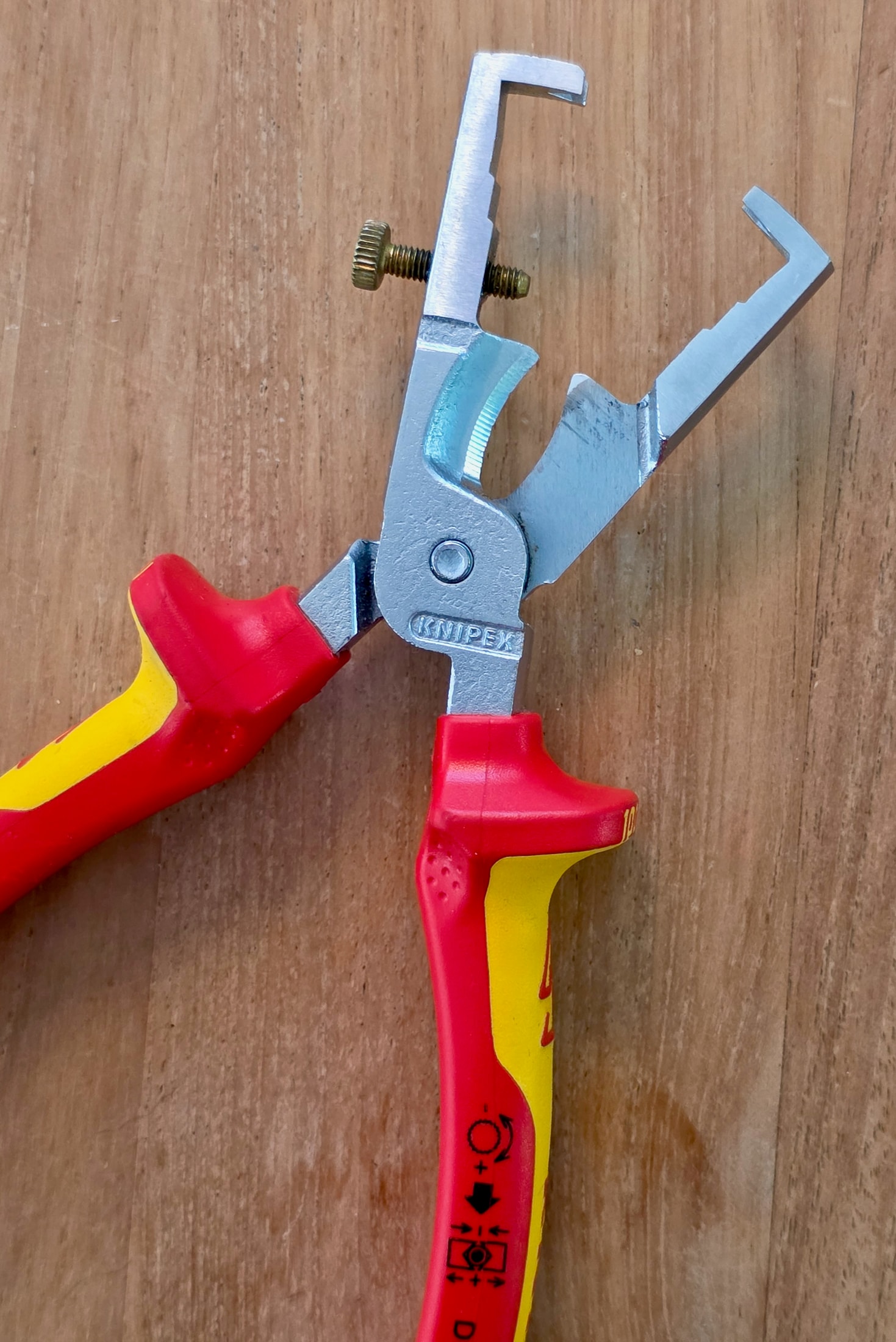
For insulated pliers, inspect the handles, the edges, the pivot and the closure. A pair of pliers that catches or has play in it gets in the way of a precise movement. A blunt cutting edge forces on the cable and gives a less clean cut. On flexible wire, a bad strip can nick the strands and weaken the connection.
The choice of cable cross-section and the quality of the end preparation matter as much as the brand of the pliers.
It is reasonable to have a Wiha screwdriver and a Wera handle in the same tool bag, along with pliers from another brand. The consistency criterion is use, maintenance and being able to find the parts or the identical reference again. Loyalty to a logo improves neither the cut nor the grip.
Wera is often sought after for its bits and bit holders. That’s relevant if your work involves a lot of fixing screws, boxes, cable trays or fasteners for equipment. But a bit isn’t interchangeable with an insulated screwdriver by default.
For electrical work, use only the set explicitly intended for the use in question and check the markings on each item.
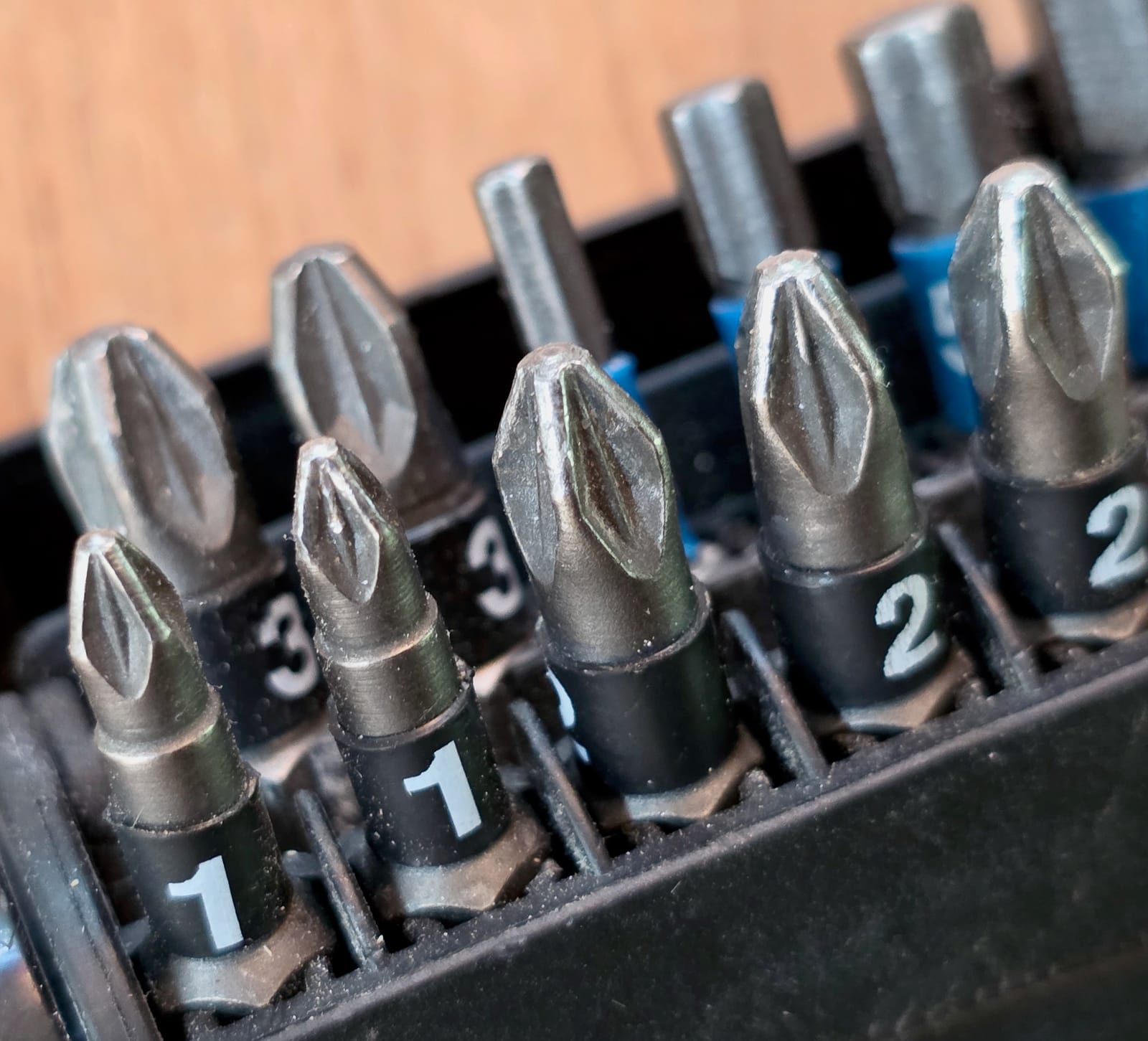
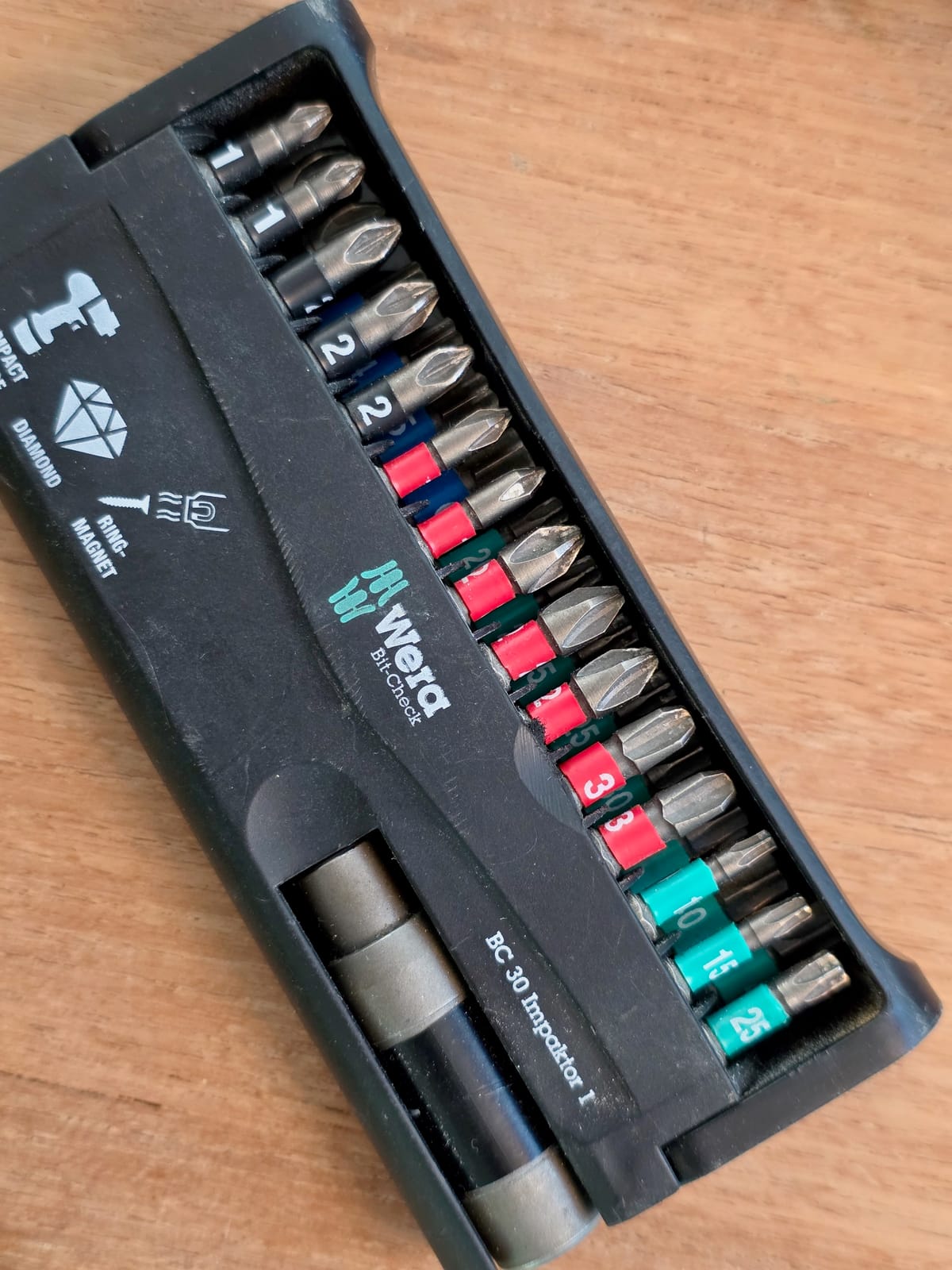
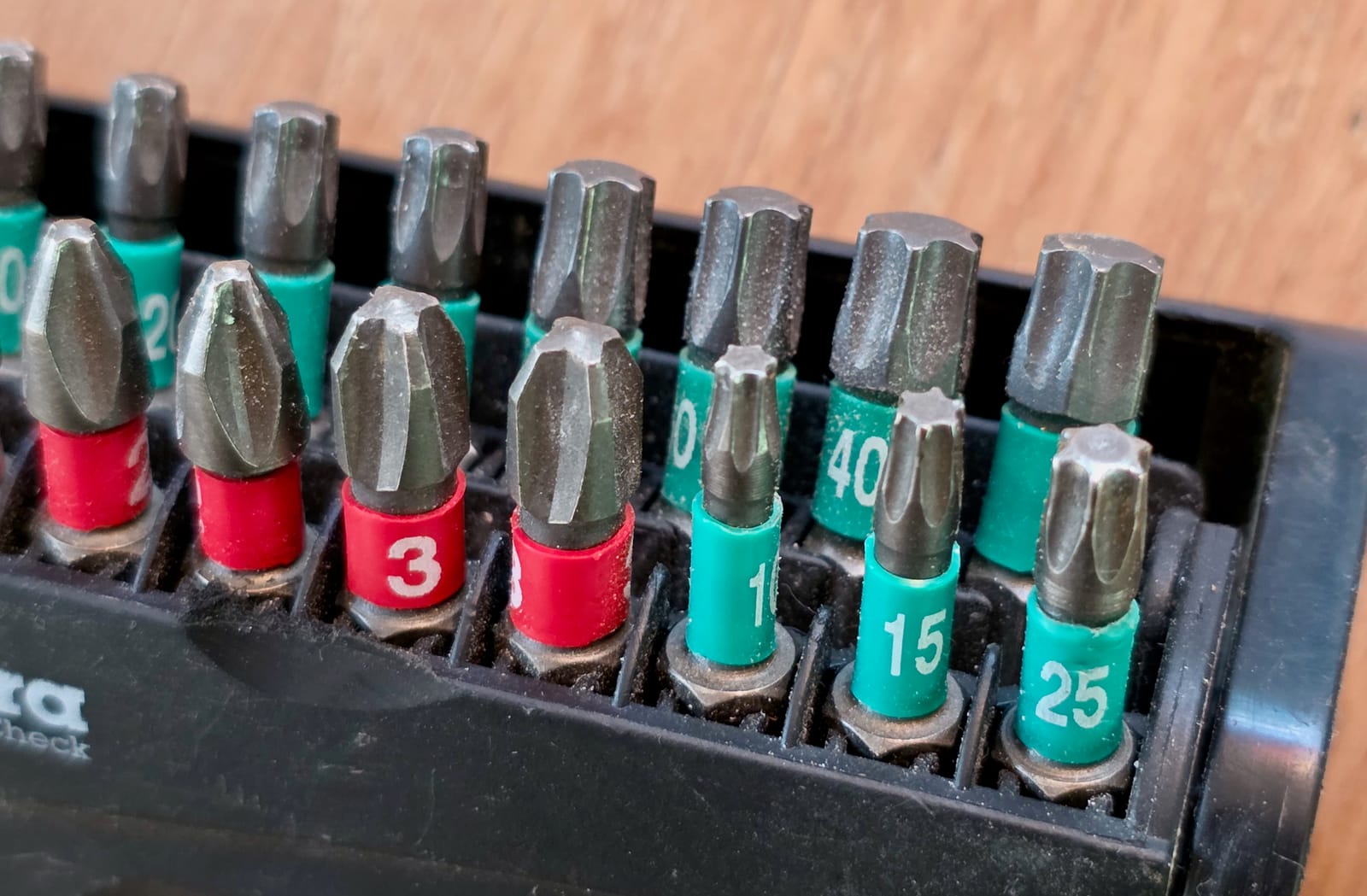
The Pozidriv bits in the Bit-Check Impaktor: common profiles that you replace individually when the tip rounds off.
Phillips and Torx in the same set: enough to cover the fasteners on boxes and cable trays.
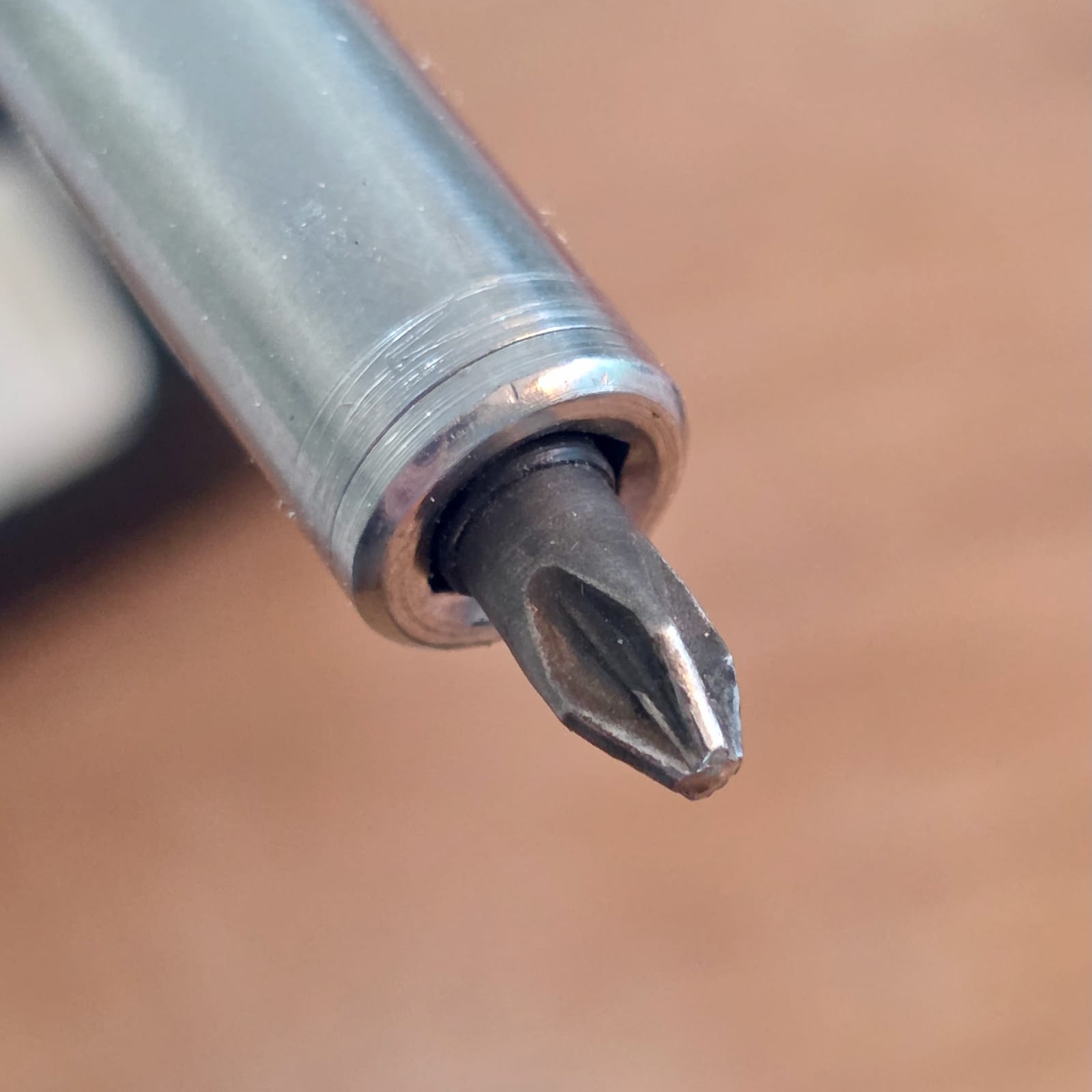
A PZ2 Impaktor engaged in the power screwdriver: it’s the tip that wears out, you replace it — not the tool.
Bits reduce the volume you have to carry and let you replace only the worn tip. As with any interchangeable system, I check that the bit is seated correctly and that the holder is in good condition before use.
For accessible and repetitive screws, it remains very practical. For a deep terminal or a delicate screw, an insulated screwdriver with a fixed blade often gives more control.
The life of a bit depends mainly on the profile, the torque applied and the alignment. When the tip rounds off, it starts marking the screws before appearing unusable. Keeping a few replacements of the common profiles avoids improvising with a neighboring bit.
It is a small stock that is more worthwhile than a collection of rare profiles.
The price shown at purchase is not enough to choose. On a professional tool bag, also count the time to replace a blade, find a bit again or buy the same screwdriver for a second kit. A range available from your usual distributor simplifies renewal.
A reference that is difficult to find can immobilize an otherwise satisfactory assortment.
Before choosing a set, note the five references used the previous month. Then compare the price of items sold separately, replacement blades, cases and bits.
This method often reveals that the complete kit is worthwhile for a base, but that buying individually is better suited for completing an already equipped bag.
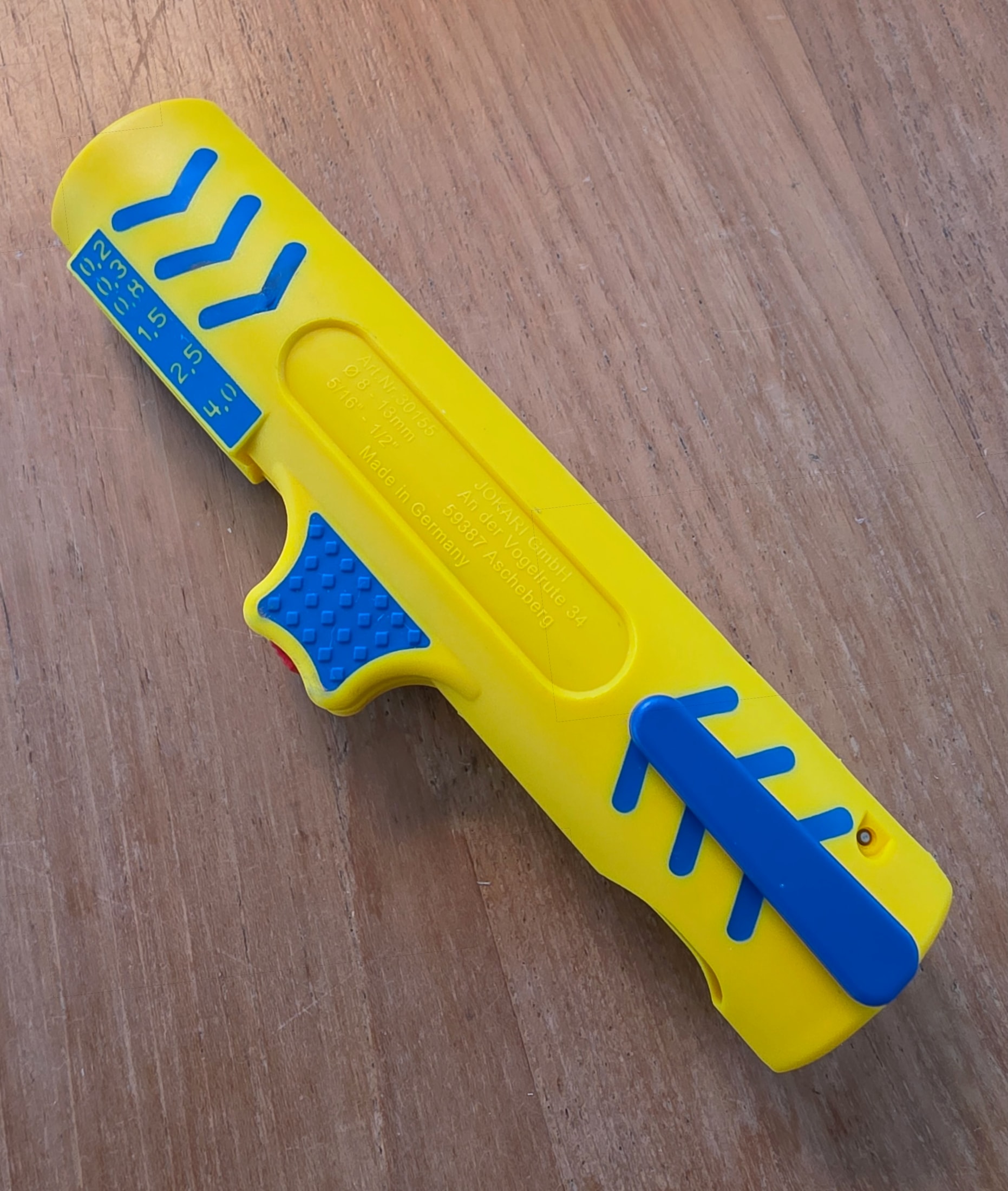
Availability varies by distributor, product line and stock. It should therefore not be promised on the basis of a catalogue seen once. On the day of purchase, check the exact reference, the blade length, the tip profile and the marking.
For online orders, a general photo is not enough: read the listing and check whether the tool being sold is really the one you need.
A damaged insulated tool does not “pay for itself” by continuing to be used. Set it aside from electrical work as soon as an insulating part is nicked, cracked or deformed. You may keep the tool outside the electrical bag for a clearly separate non-electrical task, or dispose of it according to your organisation.
The most important thing is to avoid it mistakenly going back into the kit used at the distribution board.
To build up your kit without multiplying duplicates, start with the tools that come out on almost every job. Then buy the complements triggered by specific tasks. This progression gives a more consistent kit than a large set chosen on the number of pieces.
Equip for daily screwdriving
Take the insulated screwdrivers or VDE blades in the tip profiles and lengths you actually encounter. Check the grip before multiplying the references.
Complete with the necessary pliers
Add a pair of side cutters, a pair of combination pliers and a stripping tool suited to the cross-sections you work with. Check their opening and their condition regularly.
Add the bits tied to specific jobs
Build a small assortment for common screws, then add to it only when the jobs justify it.
Plan for replacement
Keep the references and sizes of the tools you use. You will then be able to replace a worn part without rebuilding the whole bag.
This method does not seek to decide between Wiha and Wera on an overall rating. It allows you to choose a first base, then let it evolve with the real work.
A tradesperson who works mainly on panels does not have the same needs as someone who does wiring devices, maintenance or installations with a lot of mechanical screws.
For residential wiring devices, prioritize flat and Pozidriv or Phillips screwdrivers in the sizes used by mechanisms and panels. For push-in terminals, thin blades and good tip visibility matter more than a large bit case.
For maintenance, repeated screw work, limited access and transport often steer toward a compact system. For a workshop, a complete set stored on the wall can be faster. In both cases, a missing or worn tool is more of a handicap than a brand that is less popular on social media.
Insulated tools are designed for precise use, under conditions defined by their manufacturer and their standard. The insulation must remain intact: no bent blade, no cracked handle, no burn mark or cut coating.
A damaged screwdriver comes out of the pouch, even if it remains usable for non-electrical use.
Attention
Do not use an insulated screwdriver as a lever, a chisel or a tester. The tool protects within its intended use; it replaces neither a voltage absence tester nor a lockout/tagout procedure.
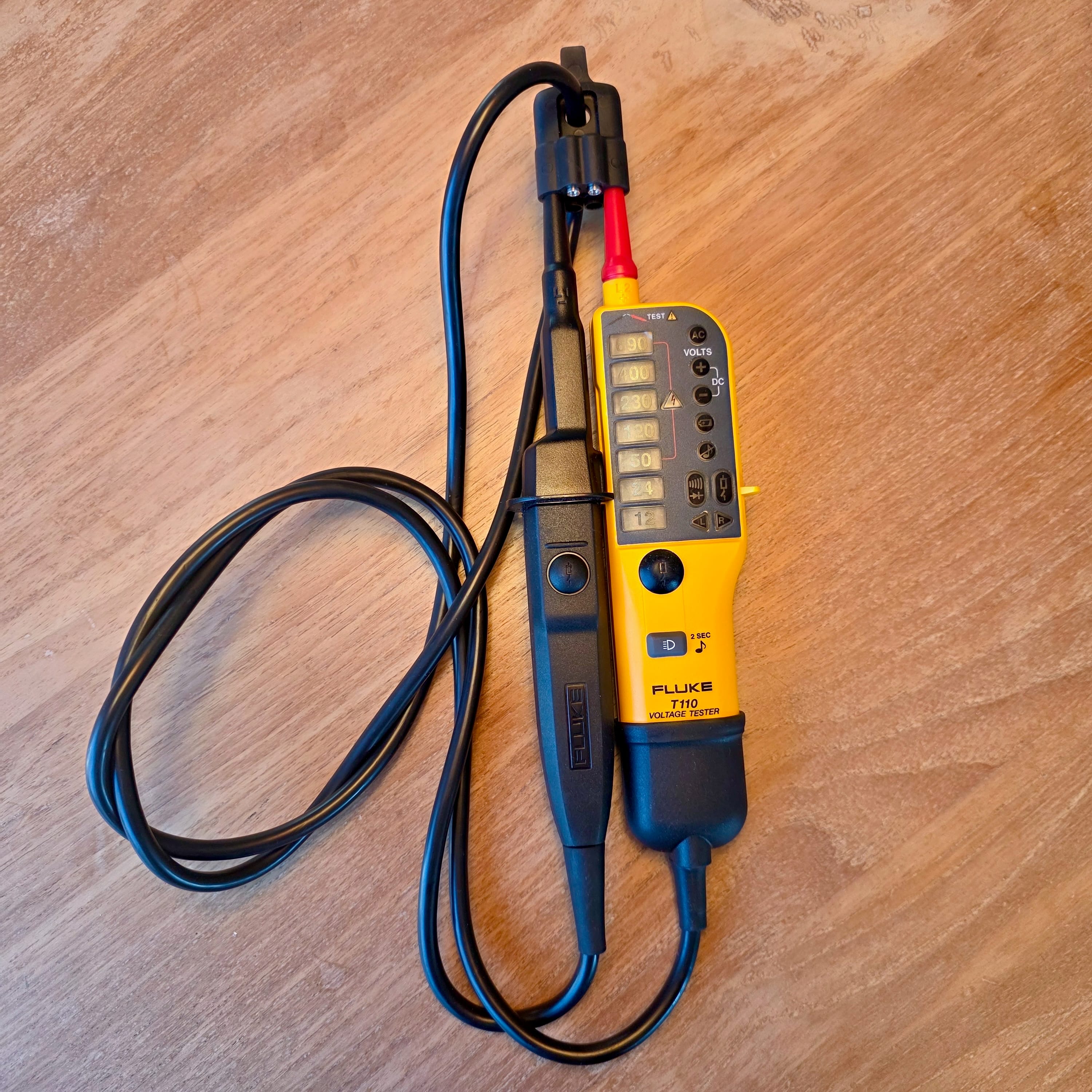
To check for an absence of voltage, use a suitable device. The megohmmeter is used for insulation measurement, not to decide on its own that a circuit can be touched. Tools and measuring devices each have their own role.
The Stanley tools can supplement a tool bag for general accessories, without being mistaken for a VDE insulated screwdriver.
The choice between a clamp meter or multimeter depends on the measurements actually needed.
A credible base includes insulated screwdrivers in the profiles actually encountered, suitable wire cutters and a wire stripper, combination pliers, a voltage absence tester, a tape measure, a marker and spare bits.
Then add, depending on the jobs: a crimping tool, a hole saw, a cable puller or a clamp meter.
The budget is easier to control by gradually buying items used every week. Very complete kits are worthwhile if they prevent duplicate purchases. They are less so when they add twenty bits that will never come out.
A good tool bag is not recognized by the number of pieces it holds. It is recognized by the fact that you do not have to hunt for the right tool in the middle of a job.
Choose Wiha if you like its interchangeable blades and the handle suits you. Choose Wera if its handles and its bit system match your habits better. In both cases, prioritize the individual part numbers you need, the availability of spare parts and regular checks on the condition of the tools.
3 questions
InteractiveQuiz: Wiha or Wera: which tools for an electrician?
3 concrete reference points cited in this guide
Choose an answer
There is no single answer. Above all, compare the grip, the available blades and the compatibility with how you organize your tool bag.
No. A VDE-insulated tool never exempts you from switching off, locking out and verifying the absence of voltage before any work. A megohmmeter is used for an insulation measurement, not for this check.
Only if the profiles match how you work. A short selection of references actually used is often more effective.
Replace it if the insulation, the handle or the blade is damaged. A visible defect compromises the expected protection.

Théo Desrousseaux
Electrician and editor
I work in the field and edit this magazine. Every guide is reviewed for its target country before publication.
Sources and references
Practical electrical installation guides, diagnostic methods and tool recommendations compared against the technical wiring standards of this national edition.
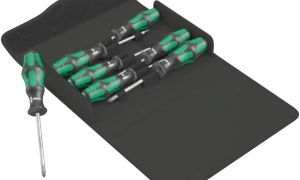
Wera Kraftform or Wiha SoftFinish: a handle launched in 1968, blades, VDE references and interchangeable systems to pick the right reference.
Read the guide Guide C.K Tools review: VDE tools C.K Tools review: a German-origin brand now Welsh, VDE range of Dextro screwdrivers and RedLine pliers, IEC 60900 standards and published specifications. Read the guide
  Guide C.K Tools screwdriver review: Dextro VDE Slim Review of the C.K Tools Dextro VDE Slim screwdrivers: slim insulated blades, Glow series, Modulo tips, magnetic ring and torque hold on terminal blocks. Read the guide Guide C.K Tools pliers review: RedLine VDE What the C.K Tools RedLine VDE T3973-160 and T3910-210 pliers are worth: shear cutting, stripping, LOOP eyelet, and 1 000 V insulation, after testing. Read the guide