How many circuits are included?
A price per property without a circuit count is not a quote, it is an opening position. Ask for the number in writing.
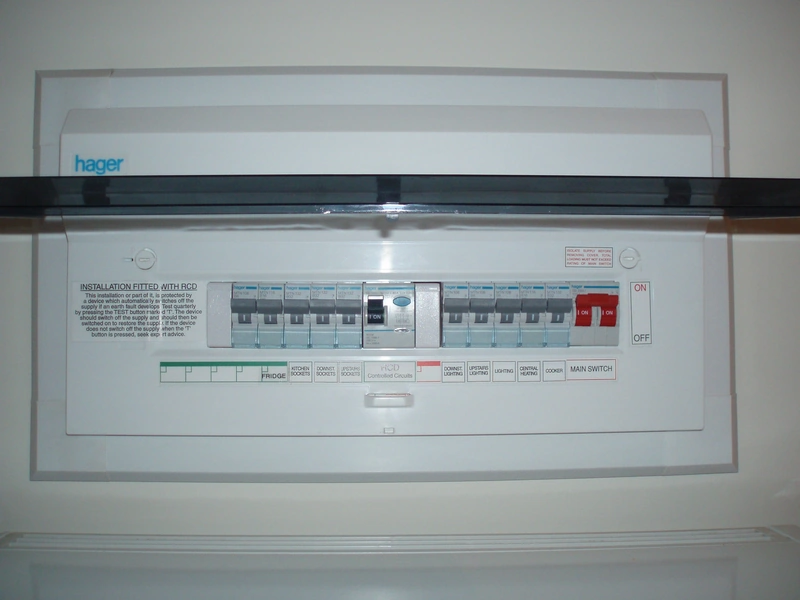 Photo : Rvcrewe via Wikimedia Commons (CC BY-SA 3.0)
In brief
An EICR for a 3-bedroom house can be advertised by bedroom count, but the quote still needs to match the actual installation.
London EICR Certificates lists £202.80 including VAT for its standard three-bedroom house inspection and report. The booking assumes one consumer unit and normal access; central London travel, parking or extra boards can change the amount.
I treat that as a published London offer, not a national average. Circuit count, access and the agreed inspection extent still need checking before the visit.
The gap between quotes can reflect scope, access, local labour rates and reporting time. I compare those items before treating the cheapest figure as a bargain or the highest as excessive.
£202.80
London EICR Certificates, standard 3-bed house price including VAT
Circuit count
check the actual labelled circuits before requesting a quote
2-4 hours
time on site for inspection and tests
C2
urgent defect-specific repair, not an automatic board replacement
An EICR is a report, not a certificate. It records the in-service condition of the installation against the edition of BS 7671 current at the time of inspection, whatever the age of the wiring.
It also carries the extent and limitations of what was inspected. Those two words decide more of the invoice than the postcode does.
The same three-bedroom house can be priced at two very different figures because the two electricians are not describing the same job.
One prices a full inspection and test of every circuit in an occupied house. The other prices a look at the consumer unit and a sample of circuits, with a note in the extent box saying what was left out.
A useful comparison needs the same agreed extent. Appropriate sampling of accessible points and justified limitations can form part of periodic inspection, but writing a limitation does not make an inadequate inspection acceptable. The inspector must explain any restriction that prevents a reliable assessment.
Info
An EICR records the condition observed at the inspection, not a guarantee until a future date. Follow its recommended re-inspection interval; damage, significant alterations or a new concern may justify an earlier assessment. New work needs its own appropriate certification.
Two three-bedroom houses on the same street can have nine circuits and eighteen.
The first has a board that still matches the original build. The second has collected an electric shower, a garden supply, a converted garage and a kitchen extension, each one a new way on the board.
Each circuit within the agreed scope has to be identified and assessed, with the appropriate inspection and test results recorded. Do not confuse a circuit with the number of physical modules occupied by its protective devices.
These pages were read on 18 November 2026. One gives a fixed residential tariff; the other gives a provider’s price range. Both price inspection and reporting separately from repairs.
| Provider | Price including VAT | Published scope | Extras to confirm |
|---|---|---|---|
| Provider London EICR Certificates | Price including VAT £202.80 | Published scope 3-bed house, one board, normal access | Extras to confirm Central London travel £21.60 where applicable; parking and extra boards |
| Provider Switched On London | Price including VAT £240–£360 | Published scope 2–3-bedroom house; base price includes up to 10 circuits | Extras to confirm Extra circuits, difficult access and remedial work |
Published offers, not paid invoices or a UK average. Switched On quotes £200–£300 plus VAT; its inclusive range above is calculated using standard VAT at 20%.
Confirm the property type, board count and final inspection total in writing. A three-bedroom flat is a different tariff from a three-bedroom house on the first provider’s list.
Bedrooms can set the advertised booking band. Extra boards and circuits, outbuildings or restricted access can put a property outside that standard scope.
If you want to check your own figure before you ring anyone, count the ways in use on the board and compare that number with the quote.
Published guides put a three-bedroom house at 2 to 3 hours, with a working range of 2 to 4 hours. That is time on site, not the time to write up the finished document, which normally happens afterwards.
Access can change the time required. The inspector needs to reach the consumer unit, relevant equipment and the points selected for inspection and testing. Agree beforehand how inaccessible accessories, concealed cable routes and occupied rooms will be handled.
A sofa in front of the board and a loft hatch under stored boxes turn a three-hour job into a return visit, and the return visit is billable.
That is the practical reason an inspector asks you to clear access beforehand, and the practical reason a cheap quote sometimes comes back with a limitation written into the extent box instead of a second appointment.
A national average hides both ends. Advertised prices start from around £69 for a smaller property, while Checkatrade’s 2026 estimator puts an EICR at £100 to £250, averaging £200.
Those numbers are rarely a lie. They are a definition. A headline price at the bottom of the market generally assumes:
When that charging structure meets a three-bedroom house, the price moves up the band rather than staying at the advert.
A quote worth taking states the number of circuits covered, whether the house will be occupied, and exactly which limitations it intends to record.
The consumer unit is a central inspection point, because protective devices, circuit identification and many test connections are there. Its condition can affect the remedial budget, but an EICR assesses the installation rather than the board alone.
On a modern dual split-load board with an RCD and clearly identified ways, there is often nothing to change.
An older board with rewirable fuses or limited RCD protection needs assessment against the actual risks and current reporting guidance. Age alone does not require replacement. A suitable local correction may be possible; a damaged, unsuitable or unadaptable board may justify a new consumer unit.
Published replacement estimates are only relevant after that decision.
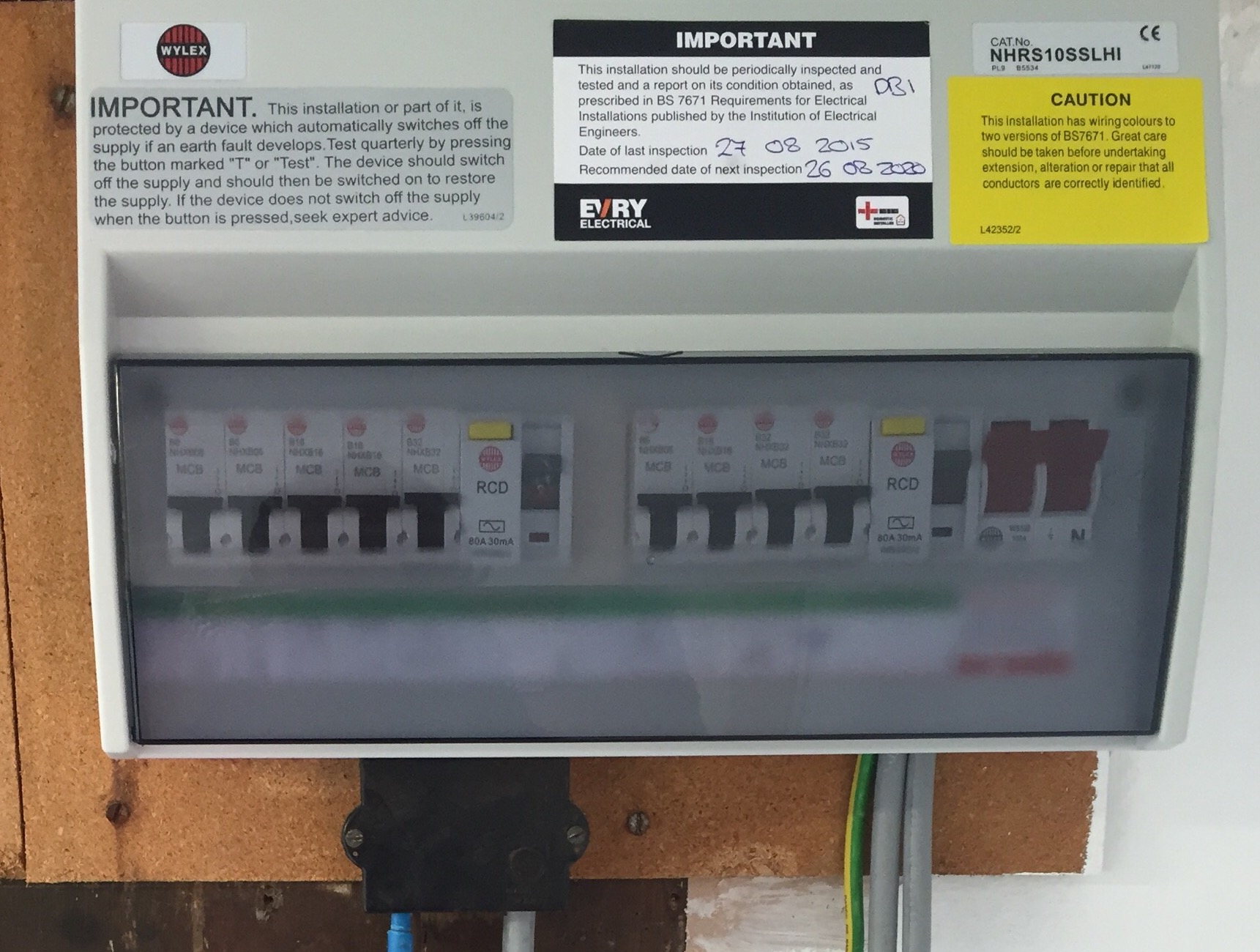
A consumer unit change is notifiable work under Part P of the Building Regulations in England.
Regulation 12(6A) lists three triggers: installing a new circuit, replacing a consumer unit, and adding to an existing circuit in a special location such as a bathroom zone. Replacement of the board is on that list on its own, whatever else the job involves.
That matters to the budget in two ways. It adds the certification and notification route to the invoice, and it removes the option of having the board swapped informally by whoever is cheapest that week.
The report ends with an overall outcome, satisfactory or unsatisfactory, and the observations behind it carry a classification code. The cost of an EICR is the fee plus whatever the codes require.
| Code | Meaning | Effect on the report | Typical cost |
|---|---|---|---|
| Code C1 | Meaning Danger present | Effect on the report Unsatisfactory, immediate action | Typical cost Repair now, price varies |
| Code C2 | Meaning Potentially dangerous | Effect on the report Unsatisfactory, urgent action | Typical cost Depends on the defect and the justified remedy |
| Code C3 | Meaning Improvement recommended | Effect on the report Can stay satisfactory | Typical cost Quote separately for the recommended improvement |
| Code FI | Meaning Further investigation required without delay | Effect on the report Unsatisfactory pending the required investigation | Typical cost Depends on the unresolved concern and access |
Classification codes describe the required action, not a repair tariff. Definitions follow Electrical Safety First Best Practice Guide 4.
Two rules from that guide are worth carrying into any conversation about money.
Where an observation carries C1, C2 or FI, the overall assessment is unsatisfactory and the required action must be addressed. If only C3 observations remain, the report can be satisfactory: those recommendations still offer a possible safety improvement.
And a point that saves people real money: an installation wired to an earlier edition of BS 7671 may not comply with the current edition in every respect, and that alone does not make it unsafe or mean it must be upgraded. The guide says so explicitly.
A C3 is a recommendation, not an invoice.
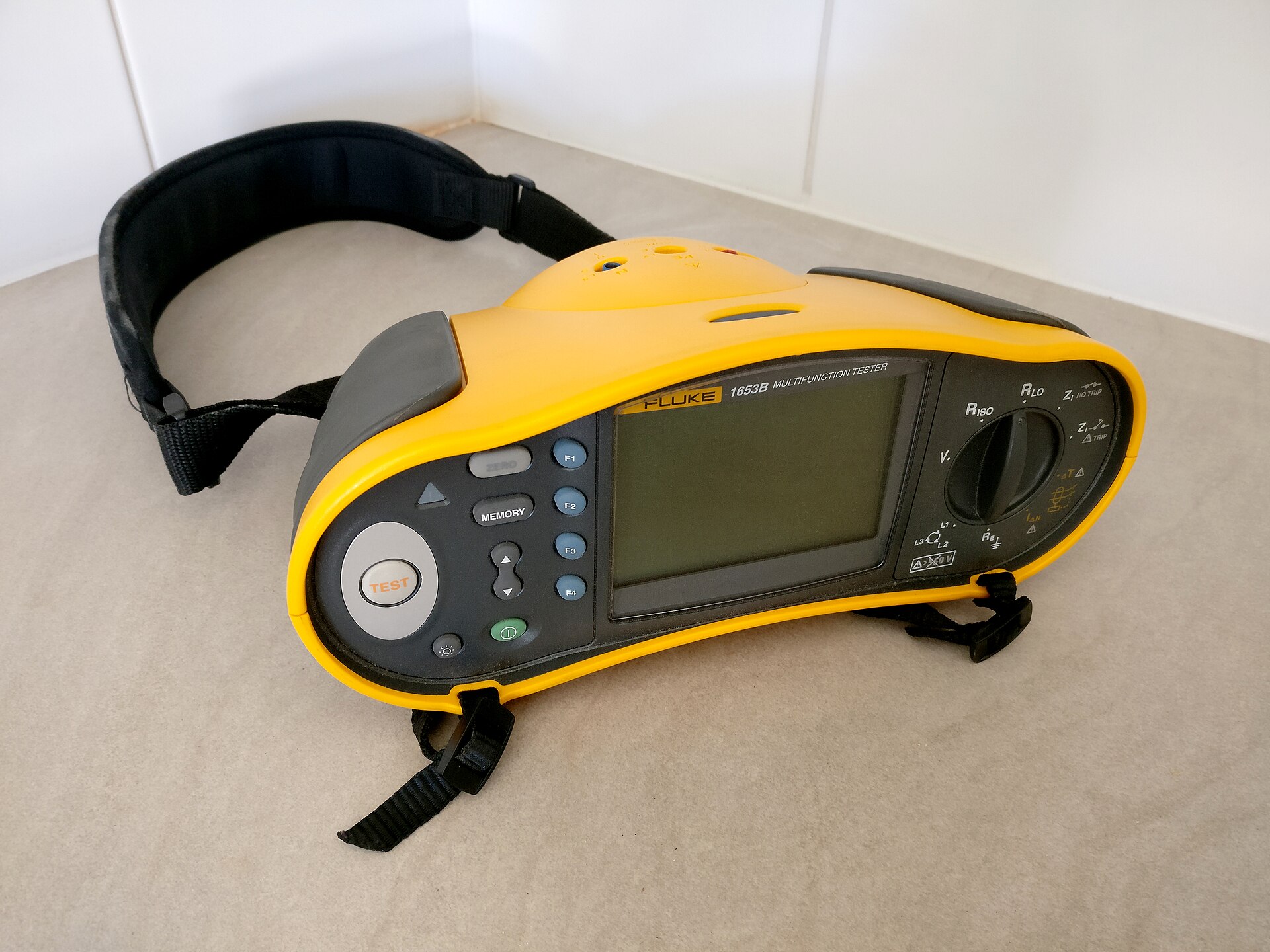
The day has two halves. The first is visual: the board, the earthing and bonding, the accessories, the cable routes and the signs of overheating, damage or unauthorised alteration.
The second is electrical, and it is where the tester earns its place.
Each of these produces a number that goes into the schedule of test results. That schedule is most of what you are paying for: a documented set of readings a future electrician, buyer or landlord can compare against.
If your house still has one of the older British socket arrangements in a back room, the socket article on this site covers the BS 1363 13 A system and why the shutters and the fuse in the plug matter to an inspector.
Across the ordinary housing stock, the same handful of observations keeps appearing. Knowing them in advance is the difference between a surprise bill and a planned one.
Missing RCD protection may be addressed through different arrangements, depending on the existing equipment and the affected circuits. A board replacement can be appropriate, but the quote should explain why a smaller compliant remedy is unsuitable. Do not turn an indicative replacement-price band into an automatic C2 surcharge.
A non-compliant shower or cooker circuit is the observation most likely to trigger cable work, because the protective device and the cable have to match.
If the report also flags a circuit that keeps tripping, the cause is usually a fault rather than a design problem. That is a different job, and the article on an RCD that keeps tripping sets out why resetting it repeatedly is not a diagnosis.
The legal duty and the practical need are not the same thing, and mixing them up is how people end up paying for the wrong document.
For a landlord the timetable is not optional, and the deadlines have teeth. The report has to reach each existing tenant within 28 days of the inspection, and any required investigative or remedial work has to be completed within 28 days, or sooner if the report says so.
Three things are commonly confused in cost guides, and one of them is out of date.
The first is the penalty. Several 2026 cost guides still quote a maximum of £30,000 for a landlord breach, and the figure is out of date: the regulations were amended on 1 November 2025, and regulation 11 now caps a financial penalty at £40,000 per breach, with more than one penalty possible for a continuing failure.
The second confusion is about who may inspect. The regulations require a qualified person, and competence in periodic inspection and testing is specific.
It means knowledge of the current BS 7671 requirements for inspection and testing, skill in safe isolation, and competence with the test instruments. Installing experience alone does not cover it.
The third is about the standard itself. The current edition is BS 7671:2018+A4:2026, which became the edition to work to on 15 October 2026; the previous amendment was withdrawn on that date.
A report written now is measured against it, including the point that an older installation is not automatically non-compliant just for being older.
Where a property is being sold and the buyer wants proof rather than an opinion, ask for the schedule of test results, not just the summary page. The summary says satisfactory; the schedule shows the readings behind it.
Three quotes on an EICR for the same house should be comparable line by line. In practice they rarely are, so ask each one the same five questions before you decide.
How many circuits are included?
A price per property without a circuit count is not a quote, it is an opening position. Ask for the number in writing.
Is the house assumed occupied?
Occupancy changes the visit length. A price built on an empty property is not the price you will pay in a furnished one.
What limitations will be recorded?
Floorboards, loft access and sealed trunking all produce limitations. A cheap quote with heavy limitations is a smaller job, not a bargain.
Is the report included, or extra?
Some firms price the visit and invoice the document separately. Confirm that the report and test schedules are included. An EICR itself is not a Part P notification; separately commissioned notifiable installation work has its own certification and notification requirements.
Who carries out the remedial work?
There is no rule against the inspector quoting the repairs, but ask for the observations and codes in writing first so you can compare them independently.
My own order of preference is dull and reliable: a fixed price that names the circuit count, a date, and a named competent person. Anything vaguer than that tends to grow.
An unsatisfactory report is not a disaster and it is not a scam. It is a list. The work that follows should map one to one onto the codes, and anything missing from the list should be questioned before it appears on an invoice.
Start with the C1 items, because those require immediate action, and an inspector who finds one is expected to tell you straight away rather than wait for the document.
Then resolve C2 and FI observations according to the inspector’s stated urgency and the actual risk. A fixed order such as always repairing the board before an accessory is not reliable: the specific defect decides the priority.
For a landlord, the clock runs from the report: remedial work within 28 days unless the report specifies less, then written confirmation from a qualified person that the work is done and that the installation now meets the required standard.
One detail worth knowing before you commission anything expensive: if the only observations are C3, the report can be satisfactory, and C3 work is improvement rather than compliance.
A report listing only C3 recommendations does not by itself require a full rewire. Those recommendations can improve safety, so compare their benefit and cost rather than treating them either as mandatory repairs or as irrelevant.
Two boundaries cause most of the arguments about an EICR invoice, and both are about scope rather than price.
The first is that an EICR reports on the fixed installation: the wiring, the board, the protective devices, the earthing and the accessories that are part of the building.
It is not a portable appliance test. The kettle, the washing machine, the tumble dryer and everything else on a plug are outside the report, and a satisfactory EICR says nothing about them.
The second is that the report records condition, not design approval. It is not a certificate for work carried out last year, and it does not replace the certificate issued for a new circuit or a new board.
If you have just had an extension rewired, the document you should have been given for that work is an Electrical Installation Certificate, and it covers only what it says it covers.
Info
Ask for the extent in writing before the visit. A report that states which circuits were tested, which were not, and why, is more useful five years later than a cheaper one that leaves the question open.
Cost guides describe a national band, and a national band is a range for a reason. The same three-bedroom semi can be quoted at the bottom of it in a town with plenty of registered electricians, and at the top in a city where a call-out is a day of scheduling.
Three local factors move the figure without changing the work:
None of that changes what a satisfactory report proves. It changes what the same proof costs to obtain.
For a standard three-bedroom house, compare the £202.80 VAT-inclusive London tariff above with a written quote for your address and installation. Add only the travel, parking or extra-board charges that actually apply.
If the board predates modern RCD arrangements, ask the inspector to distinguish dangerous defects, recommended improvements and practical upgrade options. An old installation is not automatically unsafe, and a satisfactory assessment cannot be decided from the age of the board alone.
Keep inspection and remedial work separate. An optional contingency is a budgeting choice, not evidence that repairs will be needed. Agree any repair price against the actual observations and required work after the assessment.
Keep the whole document, not the front page. The observations and the schedule of test results are what a future inspector, buyer or letting agent will want to see, and a summary page on its own tells them almost nothing.
Note the recommended re-inspection date somewhere you will find it again. For a rented property the five-year cycle is a legal maximum, not a target, and a report can recommend a shorter interval.
For an owner-occupied house the ten-year advice is advice, which means it is the kind of thing that quietly becomes fifteen years unless it is written down.
Finally, if remedial work follows, file the confirmation with the report rather than in a separate folder. The pair is what demonstrates that the installation was brought back to a satisfactory condition, and it is the first thing anyone asks for later.
London EICR Certificates publishes £202.80 including VAT for a standard three-bedroom house with one board and normal access. Applicable central London travel is £21.60 extra, with parking and extra boards confirmed separately. This is one provider’s offer, not a UK average; remedial work is separate.
No. There is no legal duty on an owner-occupier in England. Electrical Safety First and NICEIC both recommend an inspection at least every 10 years, and buyers, lenders and insurers may ask for one, but the five-year legal cycle applies to landlords, not to people living in their own home.
Price alone does not explain the difference. Compare boards, circuits, access, VAT, travel and the written report. Appropriate sampling and justified limitations can form part of an EICR, but the inspector must explain any restriction that prevents a reliable assessment.
No. C2 means a potentially dangerous condition requiring urgent correction. The remedy depends on the observation: it may be an accessory, connection, protective conductor or protection arrangement. Replace the consumer unit only where the assessment justifies it, with a separate itemised quote.
It depends on the scope. For a newly built or completely rewired home, GOV.UK permits the relevant EIC to satisfy the initial requirement, normally for five years while the other duties remain met. An EIC for one added circuit does not assess the whole existing installation. Follow any shorter inspection interval and investigate new safety concerns promptly.
The local housing authority can impose a financial penalty of up to £40,000 per breach under regulation 11, and more than one penalty where the failure continues. The duty covers giving the report to tenants, to a prospective tenant who asks in writing, and to the council on request.

Théo Desrousseaux
Electrician and editor
I work in the field and edit this magazine. Every guide is reviewed for its target country before publication.
Author → Credentials → Editorial method → Report a factual correction →
Email address and prefilled context:
theo@sparx-elec.fr
Article: https://www.sparx-elec.com/gb/eicr-cost-3-bed-house/
Edition: GB — English
Factual issue: [describe the factual issue]
Passage: [quote or identify the passage]
Source: [optional source URL]
Sources and references
Practical electrical installation guides, diagnostic methods and tool recommendations compared against the technical wiring standards of this national edition.
What landlords in England must do about the electrical safety certificate: EICR rules, the five-year cycle, C1 to C3 codes, 2026 costs and penalties.
Read the guide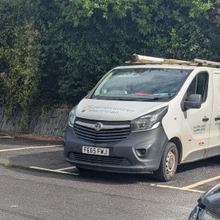 Guide Electrician cost per hour UK electrician hourly rates explained through published tariffs: minimum visits, VAT, emergency charges and the full price to compare before booking. Read the guide
 Guide Electric shower installation cost UK Published electric shower fitting prices, VAT and exclusions: compare a replacement on the existing circuit with work needing new wiring or protection. Read the guide